
How Much Caffeine Is Too Much? Daily Limits, Hidden Sources and Sleep Effects
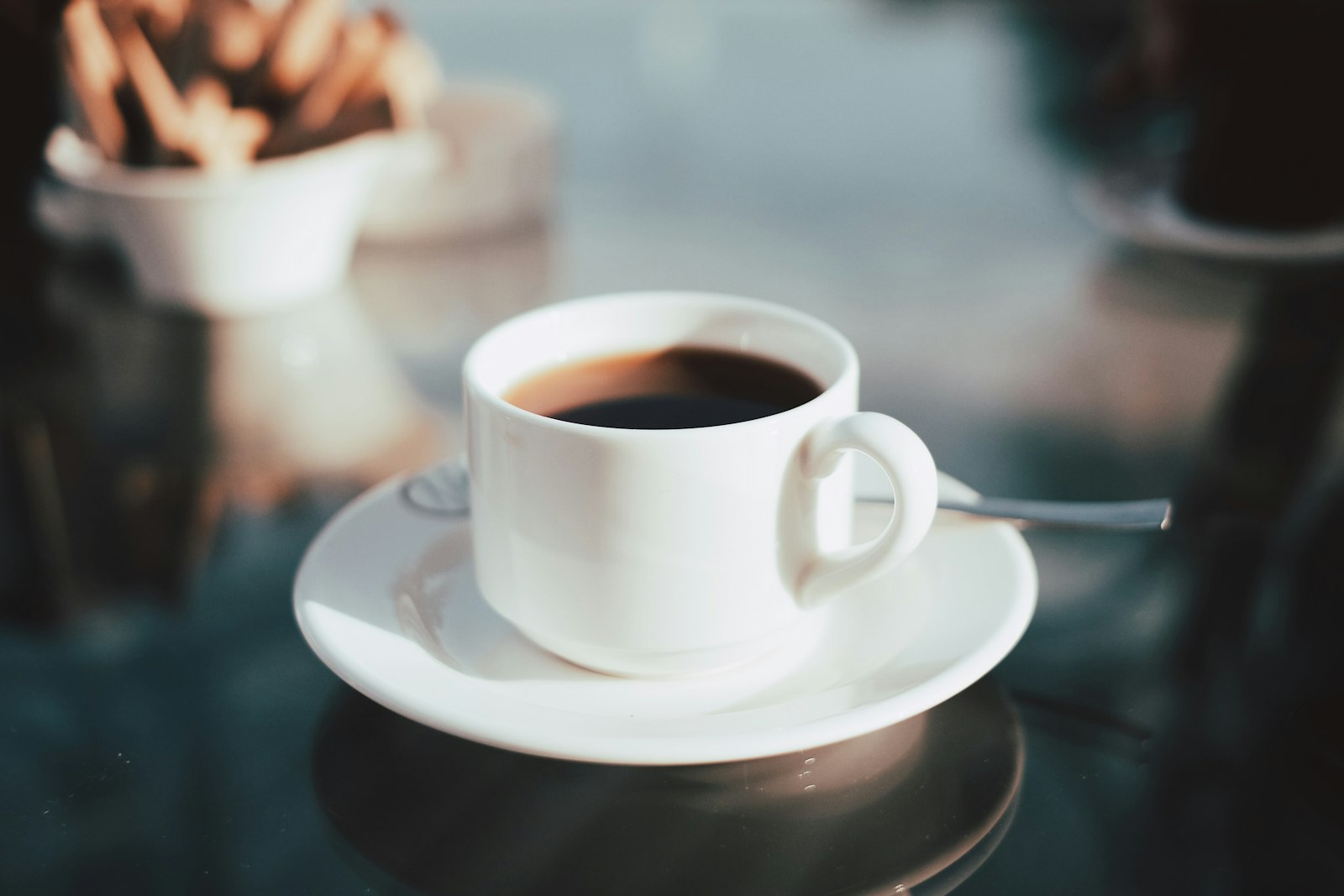
Quick answer: For most healthy adults, up to 400 mg of caffeine a day is not generally linked to harmful effects. That is roughly two to three 12-ounce cups of brewed coffee. If you are pregnant, the NHS advises staying under 200 mg a day. Children and teens should avoid energy drinks, and children under 2 should not have caffeinated drinks at all. Sensitivity varies a lot from person to person, so if you get jitters, a racing heart or poor sleep at lower amounts, your personal limit is lower.
Caffeine is the most widely used stimulant in the world. It is in coffee, tea, cola, energy drinks, chocolate and some medicines, and it can quietly add up over a day. This guide explains the official limits, how much is in common drinks, who should have less, how caffeine affects your sleep, and how to cut back without a pounding headache.
How much caffeine is safe per day?
The US Food and Drug Administration (FDA) says 400 milligrams a day is an amount not generally associated with negative effects in healthy adults. The European Food Safety Authority (EFSA) reached the same 400 mg daily figure, and also says single doses of up to 200 mg are not a safety concern for healthy adults.
These are upper limits, not targets. The FDA points out that people vary widely in how sensitive they are to caffeine and how fast they break it down. Some people feel anxious or sleep badly after a single cup; others drink four cups with no obvious effect. Certain medicines and health conditions can also change how caffeine affects you, so it is worth asking a doctor or pharmacist if you take regular medication.
How much caffeine is in coffee, tea and energy drinks?
Caffeine content varies with the brand, brew strength and serving size. These are typical ranges from the FDA and the NHS:
| Drink or food | Typical caffeine |
|---|---|
| Brewed coffee, 12 fl oz | 113 to 247 mg |
| Instant coffee, one mug | about 100 mg |
| Decaf coffee, 8 fl oz | 2 to 15 mg |
| Black tea, 12 fl oz | about 71 mg |
| Green tea, 12 fl oz | about 37 mg |
| Cola or caffeinated soft drink, 12 fl oz | 23 to 83 mg |
| Energy drink, 16 fl oz | 54 to 328 mg |
| Plain dark chocolate, 50 g bar | under 25 mg |
| Milk chocolate, 50 g bar | under 10 mg |
The ranges are wide, which is why a large coffee-shop coffee can contain far more than a home-made cup. Restaurants and cafes are not required to list caffeine, so ask if you need to know. On packaged foods, added caffeine must appear in the ingredients list.
Who should have less caffeine?
- Pregnant people: the NHS advises no more than 200 mg a day, because high intakes are linked to low birth weight and a higher risk of miscarriage. The FDA advises anyone who is pregnant, trying to conceive or breastfeeding to talk to their health care provider about limiting caffeine.
- Children and teens: the American Academy of Pediatrics advises against energy drinks for children and teens. Too much caffeine in young people can cause a fast heartbeat, palpitations, raised blood pressure, anxiety and sleep problems.
- Children under 2: the Dietary Guidelines for Americans say to avoid caffeinated drinks altogether. Water and plain milk are the best drinks for children.
- People with certain conditions: if you have a heart rhythm problem, high blood pressure, anxiety, reflux or insomnia, ask your doctor what is sensible for you.
What are the signs of too much caffeine?
The FDA lists these common signs that you have had more than your body likes:
- Faster heart rate or palpitations (see our resting heart rate guide)
- Raised blood pressure
- Trouble falling or staying asleep
- Feeling anxious, shaky or jittery
- Upset stomach or nausea
- Headache
If you notice these regularly, try cutting back and see whether they ease.
Be very careful with caffeine powders and concentrated liquids. The FDA estimates that toxic effects such as seizures can happen after rapidly taking in about 1,200 mg of caffeine, which is less than half a teaspoon of pure powder. These products have caused deaths. Do not use them.
Get emergency help (call 911 or your local emergency number) if someone has chest pain, a very fast or irregular heartbeat, a seizure, confusion or trouble breathing after taking caffeine.
How does caffeine affect sleep?
Caffeine blocks adenosine, a brain chemical that builds up while you are awake and makes you feel sleepy. That is why it keeps you alert, and also why it can stop you dropping off at night. Its effects last for hours, not minutes.
In a study published in the Journal of Clinical Sleep Medicine, 400 mg of caffeine taken even six hours before bedtime reduced total sleep by more than an hour, and many participants did not realise their sleep had been disrupted. The researchers suggested avoiding a large dose of caffeine for at least six hours before bed.
A practical rule for most people is to have your last caffeinated drink by early afternoon. If you are already struggling with sleep, our guides to sleep hygiene and how many hours of sleep you need are a good next step.
How to cut back on caffeine without a headache
If you have caffeine every day and stop suddenly, you may get withdrawal symptoms such as headache, tiredness, low mood and poor concentration. The FDA says withdrawal is not considered dangerous, but it can be unpleasant. Cutting down gradually helps:
- Add it up first. For three days, write down every coffee, tea, soft drink and energy drink, with the size. Most people underestimate their intake.
- Reduce slowly. Drop one drink at a time, or swap one cup a day for half-caf, decaf or a smaller size, and hold that level for a few days before cutting again.
- Move your last cup earlier. Even without cutting the total, shifting caffeine to the morning can improve sleep.
- Swap, don’t just stop. Try herbal tea, decaf, or sparkling water in the afternoon so the habit stays but the caffeine goes.
- Drink water. Staying hydrated helps with withdrawal headaches. Our water intake calculator gives you a daily target.
- Read labels. Check soft drinks, energy drinks, pre-workout products and some painkillers, which can contain added caffeine.
Sleeping badly? Work out a bedtime that fits your natural sleep cycles.
Frequently asked questions
Is 400 mg of caffeine a lot?
It is the upper limit for most healthy adults, about two to three 12-ounce cups of brewed coffee. It is not a target, and many people feel better on less.
How many cups of coffee a day is too many?
It depends on the cup. A home-brewed 8-ounce cup may have under 100 mg, while a large coffee-shop coffee can have over 300 mg. Count milligrams rather than cups where you can.
How long does caffeine stay in your system?
Caffeine’s effects can last for several hours, and how fast it clears varies between people. Research shows that a large dose six hours before bed can still disrupt sleep, so stop caffeine by early afternoon if you sleep poorly.
How much caffeine is safe in pregnancy?
The NHS advises no more than 200 mg a day. Talk to your midwife or doctor about what is right for you.
Is decaf coffee caffeine-free?
No. Decaf usually has 2 to 15 mg per 8-ounce cup, which is small but not zero.